
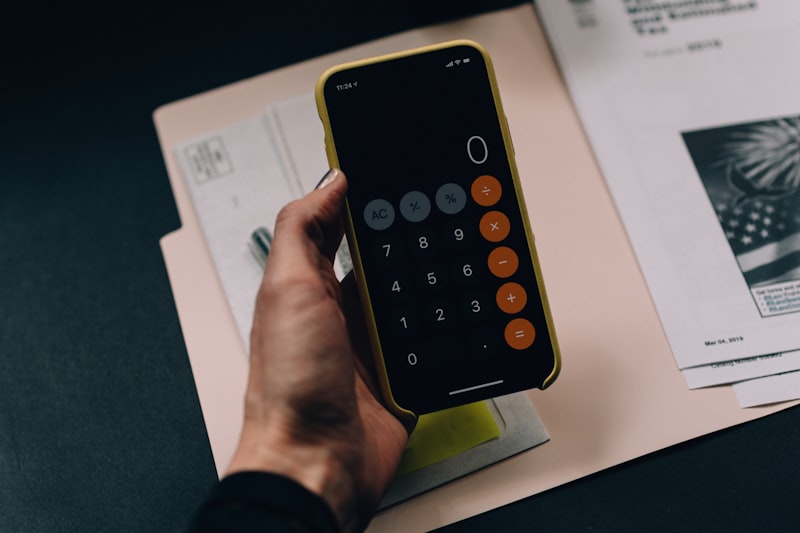
Financial literacy is a life skill that everyone should learn early. College is the perfect time to build healthy money habits before you start earning full-time.
Creating Your First Budget
Follow the 50-30-20 rule:
- 50% Needs: Rent, food, transportation, essential expenses
- 30% Wants: Entertainment, dining out, subscriptions
- 20% Savings: Emergency fund, investments, future goals
Use apps like Walnut, ETMoney, or Google Sheets to track your expenses daily.
Building an Emergency Fund
Start with ₹10,000 and aim for 3-6 months of expenses. Keep this money in a liquid fund or savings account. This fund protects you from:
- Unexpected medical expenses
- Travel emergencies
- Family requirements
- Job transitions after college
Basic Investment Concepts
Start Early: Even ₹500/month in an equity mutual fund through SIP can grow significantly due to compounding.
Diversification: Don't put all money in one place. Split between:
- Fixed Deposits (safe, 6-7% returns)
- Mutual Funds (moderate risk, 12-14% returns)
- Stocks (high risk, requires knowledge)
Student-Friendly Investment Options
- Recurring Deposit (RD): Low risk, fixed returns
- SIP in Index Funds: Start with ₹500/month
- Fixed Maturity Plans: 3-5 year lock-in
- Gold Bonds: Better than physical gold
Financial Mistakes to Avoid
- Using credit cards without understanding interest
- Skip insurance thinking it's unnecessary
- Not tracking small daily expenses
- Comparing investments with others
- Emergency spending from your savings
Start small, think long-term
💡 Pro Tip:
Learn the power of compound interest. ₹1000 invested at age 20 can become ₹30,000 by age 60 at 12% returns. Starting early is the biggest advantage you have.